Een mand vol groenten en een marketingles
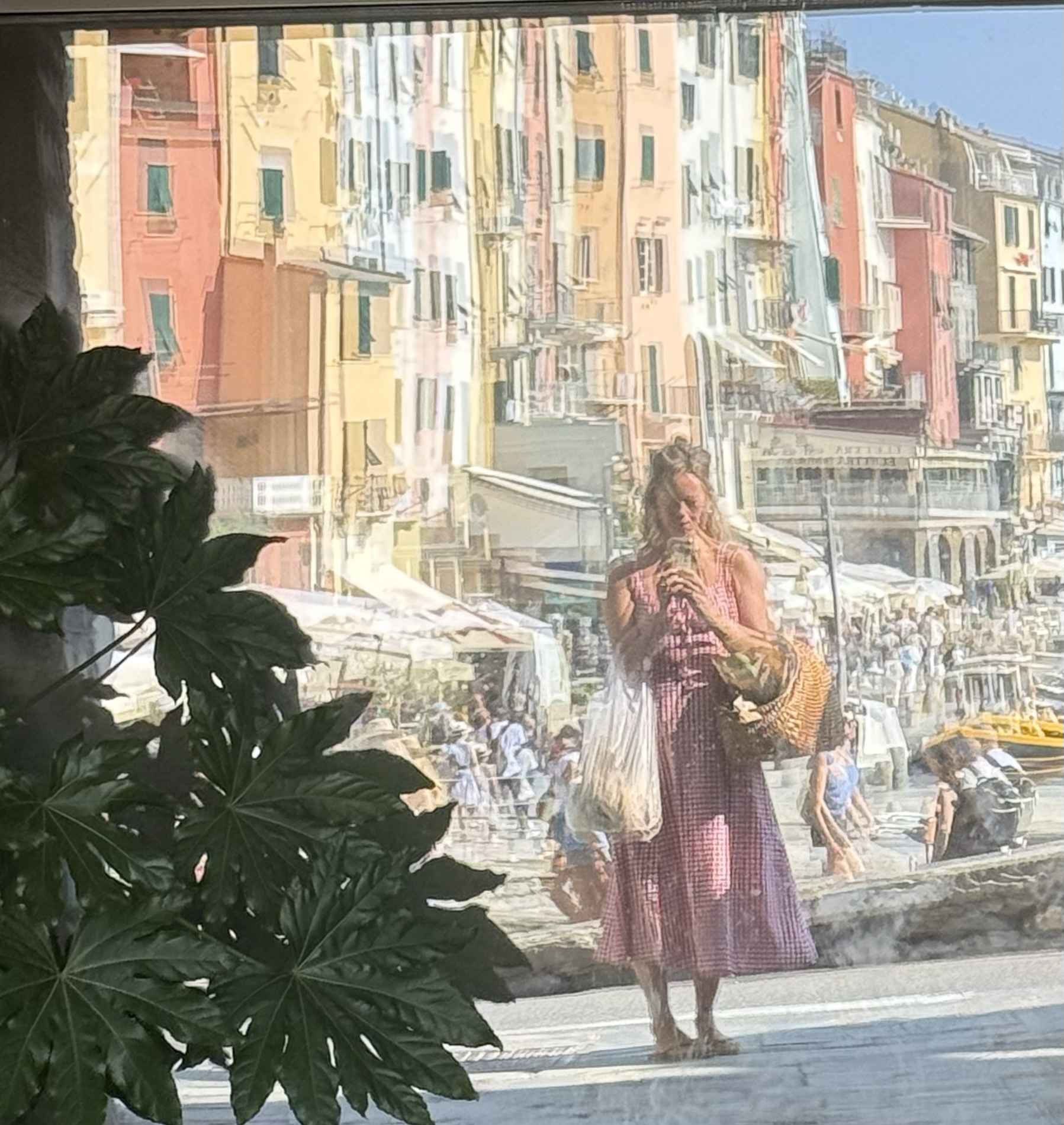
Groente halen in Italië gaat er net anders aan toe dan ik gewend ben in de supermarkt. Eens per week, op maandagochtend, trekt het hele dorp uit naar de markt. Tussen 08.00 en 11.00 uur kleurt het centrum van Portovenere met kramen. De keramiekpotjes worden tentoongesteld, een wirwar aan jurken dansen mee op het zeebriesje en het kleurenspel van groenten en fruit is een cadeautje voor het oog.
Ik loop in mijn rood-wit geblokte jurkje en met een rieten mand naar de groentenkramen. Er zijn er twee, pal naast elkaar. Bij de ene kraam staat niemand en bij de andere kraam zie ik minstens 12 Italianen. En wat doe ik, ik kies voor de kraam waar het het drukst is. Toch interessant hoe dat werkt. Mijn eerste gedachte is: ach, daar wordt al zoveel verkocht, ik ga wel naar dat andere kraampje. Maar toch sluit ik aan waar de rest van de Italianen staat.
En precies op dat moment gaat mijn marketingbrein aan. Het aanbod lijkt hetzelfde. Toch voelt die ene kraam automatisch beter, simpelweg omdat er meer (lokale) mensen staan. Alsof de drukte bevestigt dat dit de juiste keuze is.
Terwijl ik observeer hoe het hier werkt, besluit ik toch maar even iets te vragen. Moet alles in hetzelfde zakje? Mag je het zelf pakken? (Los van het feit dat iedereen dat gewoon doet.) En geen idee wat het kost, maar met wat cash op zak komt dat vast goed.
Ik vul mijn kartonnen zakje met een citroen die vijf keer zo groot is als die van de AH, pak een verse knoflook, wat wortelen, een courgette en nog wat fijne groenten. Eenmaal aan de beurt vraag ik ook nog drie uien en knik maar gewoon als ze me iets vraagt.
Met mijn mandje vol strijk ik neer op een klein terrasje en bestel een cappuccino en een croissantje. Ik scoor nog een bolletje mozzarella en wandel met een goed gevuld mandje en een glimlach terug naar huis.
Maar toch blijft die groentenkraam nog even door mijn gedachten dartelen. Want wat gebeurde daar nou eigenlijk? Er was niemand die me vertelde dat deze kraam beter was. Geen bordje met 'beste van de markt'. Geen aanbeveling. Alleen een rij mensen. En toch voelde dat als genoeg bewijs om aan te sluiten.
En blijkbaar doen we dat vaker dan we denken. Zeker in een nieuwe situatie. Als we zelf nog geen referentiekader hebben, lenen we dat van anderen. We kijken om ons heen en maken razendsnel de vertaalslag: als zoveel mensen hiervoor kiezen, zal het wel goed zijn.
Terwijl ik normaal juist vanuit mijn intuïtie kies en regelmatig rechts ga waar anderen links gaan, wilde ik hier ineens met de stroom mee. Niet omdat ik wist dat dit de beste groentekraam was, maar omdat de drukte me dat liet geloven.
Misschien is dat wel de kracht van social proof. Op het moment dat we niet zeker weten wat de beste keuze is, lenen we heel even het vertrouwen van iemand anders.
Al durf ik te wedden dat de tomaten bij het kraampje ernaast precies hetzelfde smaken.
English
Buying vegetables in Italy works a little differently from what I’m used to at the supermarket. Once a week, on Monday morning, the whole village heads to the market. Between 8 and 11 a.m., the centre of Portovenere fills with market stalls. Ceramic pots are put on display, a tangle of dresses dances in the sea breeze, and the colourful display of fruit and vegetables is a feast for the eyes.Wearing my red and white checked dress and carrying a wicker basket, I make my way to the vegetable stalls. There are two of them, right next to each other. No one is standing at one stall, while at the other I count at least 12 Italians. And what do I do? I choose the busiest one. Funny how that works. My first thought is: well, they’re already selling plenty there, I’ll just go to the other stall. But somehow, I still join the queue where all the other Italians are standing.
And that’s exactly when my marketing brain kicks in. The selection looks the same. Yet one stall automatically feels better, simply because there are more local people standing there. As if the crowd confirms that this is the right choice.
While I’m observing how things work here, I decide to ask a few questions anyway. Does everything go in the same bag? Are you allowed to pick things yourself? Even though everyone else is clearly doing just that. And I have no idea what any of it costs, but with some cash in my pocket, I’m sure it’ll be fine.
I fill my paper bag with a lemon five times the size of the ones at Albert Heijn, pick up some fresh garlic, a few carrots, a courgette and some other lovely vegetables. When it’s finally my turn, I ask for three onions as well and simply nod when she asks me something.
With my basket full, I settle down at a little terrace and order a cappuccino and a croissant. I pick up a ball of mozzarella too, then walk home with a well filled basket and a smile on my face.
But that vegetable stall keeps lingering in my mind. Because what actually happened there? No one told me this stall was better. There was no sign saying “best at the market.” No recommendation. Just a queue of people. And somehow, that felt like enough proof to join them.
Apparently, we do this more often than we realise. Especially when we find ourselves in a new situation. When we don’t yet have our own frame of reference, we borrow one from others. We look around and make a split second assumption: if this many people are choosing it, it must be good.
Normally, I tend to follow my intuition and regularly go right when everyone else goes left. But here, all of a sudden, I wanted to go with the crowd. Not because I knew this was the best vegetable stall, but because the crowd made me believe it was.
Maybe that’s exactly the power of social proof. When we’re not sure what the best choice is, we borrow someone else’s confidence for a moment.
Although I’d be willing to bet the tomatoes at the stall next door taste exactly the same.